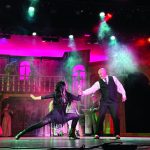

For five decades, the heart of downtown Farmington has beaten to the rhythm of applause, the swell of orchestras, and the vibrant energy of community gathering. In 2026, the Farmington Civic Center officially marks its 50th anniversary, celebrating its legacy as a cultural and convention hub of the Four Corners region. Since its doors first opened in 1976, the center has evolved from a contested local project into a state-of-the-art performing arts complex that anchors the city’s identity.
A foundation of controversy and vision
The story of the Civic Center began in the early 1970s, a period of rapid growth and transition for Farmington. However, the path to its construction was anything but smooth. When city leaders first proposed a centralized venue for business conventions and the performing arts, they met significant resistance. The community was deeply divided over the cost, and the project narrowly survived a contentious bond election by a razor-thin margin.
In those early days, skeptics labeled the proposed building a “white elephant”—a potential drain on city resources that many feared would sit empty. Critics argued that a town of Farmington’s size couldn’t support a 1,200-seat theater and that funds should be prioritized for more “practical” infrastructure, such as roads. Despite the pushback, visionaries within the city government held firm, betting on a “build it and they will come” philosophy. When the ribbon was finally cut in 1976, the Civic Center began the long process of proving its doubters wrong, quickly becoming a symbol of civic pride rather than a fiscal burden.
A hub for the arts: Four Corners Musical Theatre Company
While the building served as a versatile assembly hall for decades, its capabilities were dramatically enhanced by a major multi-million-dollar renovation completed in 2019. This project upgraded the technical infrastructure and expanded the convention wings, creating a sleek, contemporary space that rivals venues in much larger metropolitan areas.
A key part of the venue’s current identity is its role as home to the Four Corners Musical Theatre Company, or FCMT. Founded by the City of Farmington in 2021, FCMT represents a sophisticated commitment to the local arts scene. By utilizing a unique “pro-am” model, the company brings in professional actors, directors, and designers from across the country to work alongside talented local performers.
This partnership has turned the Civic Center into a “theatre of destination,” producing high-caliber Broadway favorites and providing a professional stage for the Heather McGaughey Four Corners Theatre Academy to train the next generation of artists. The presence of a resident company ensures the theatre’s lights stay bright year-round, fulfilling the original 1976 vision of a thriving cultural center.
A stage for every story
The Civic Center’s versatility is what truly sets it apart and silenced early critics. On any given week, the halls might echo with the roar of a family show or the nostalgic harmonies of a traveling production. As a dual-purpose convention and visual arts venue, the center remains the city’s most flexible space. It currently hosts:
- Regional Conventions: Providing ballrooms and meeting suites for business and industry leaders.
- Visual Arts: Featuring rotating exhibits that highlight the diverse cultural heritage of the Southwest.
- Community Events: From high-energy anniversary parties to historical lectures and trade expos.
Looking toward the next 50 years
As the Farmington Civic Center celebrates its 50th year, it stands as a testament to the idea that a city is more than just its physical infrastructure; it is the experiences shared within its walls. What was once a gamble for the city has paid off in decades of cultural enrichment and economic growth. Whether you are there for a standing ovation at a musical, a keynote speech at a conference, or a quiet moment in the outdoor plaza, the Civic Center remains the place where Farmington comes together. Here’s to 50 years of history, and to the many curtains yet to rise.
By Gina Utopia